

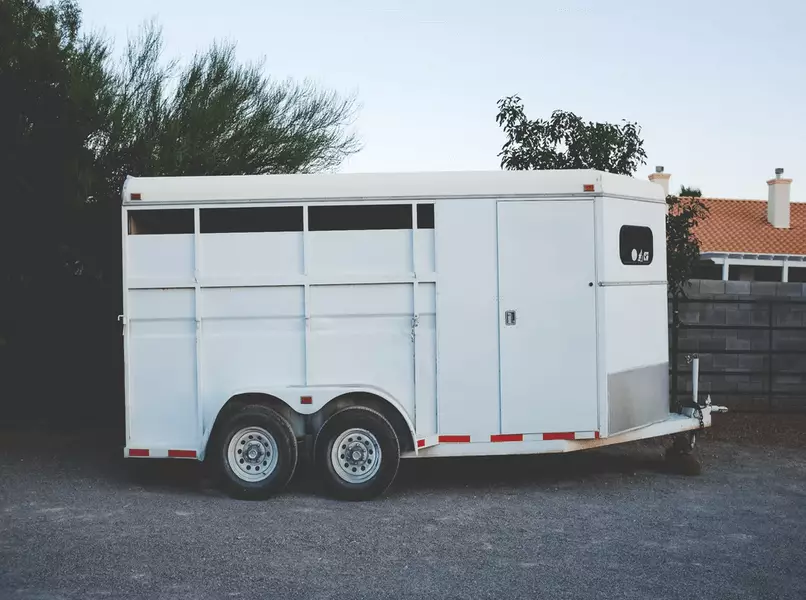
Taking Good Care of Your Trailer | Essential Trailer Maintenance Tips
 Neighbors Trailer
Sep 25, 2023 513 8 min read trailer maintenance tips
Trailer maintenance is one of the most overlooked responsibilities in equipment ownership, yet it is also one of the highest-leverage activities you can invest time in. A well-maintained trailer is safer on the road, lasts years longer, and retains far more resale or rental value than one that has been neglected. Whether you own a flatbed, utility, enclosed cargo, or dump trailer, a consistent maintenance routine is what separates a trailer that earns you money for 15 years from one that fails at year five.
This guide covers every essential maintenance task, the frequency at which each should be done, and the warning signs that indicate immediate attention is needed. Every rental listed on Neighbors Trailer automatically includes NT Protect, mandatory coverage charged to the renter at booking for a few dollars per day, so rental income from your maintained trailer is protected from day one.
Why Trailer Maintenance Matters More Than Most Owners Realize
Trailers are deceptively rugged. They take heavy loads, absorb road impacts, and sit idle for weeks between uses, all without obvious complaint. That silence can lull owners into skipping inspections. The problem is that trailer failures often happen suddenly and at highway speeds, where consequences can be severe. Tire blowouts, wheel separations, hitch failures, and brake malfunctions are all largely preventable through routine inspection and maintenance.
Beyond safety, consistent maintenance pays financially. A trailer in excellent condition commands higher rental rates, attracts better-reviewed renters on Neighbors Trailer, and avoids the expensive repair cycles that follow from deferred care. Preventive maintenance typically costs a fraction of the emergency repairs it prevents.
Trailer Maintenance Schedule by Task
| Maintenance Task | Frequency | What to Check |
| Tire pressure and condition | Before every tow | Inflation, tread depth, sidewall cracking, age |
| Hitch and coupler inspection | Before every tow | Ball mount fit, coupler latch, safety chains, locking pin |
| Lighting and wiring | Before every tow | Brake lights, turn signals, running lights, connector pins |
| Wheel bearing inspection | Annually or every 12,000 miles | Hub temperature after trip, lateral wheel play, grinding sounds |
| Brake system check | Annually | Pad thickness, drum condition, actuator function |
| Frame and weld inspection | Seasonally | Surface rust, cracked welds, bent cross members |
| Lubrication | Annually | Coupler ball, jack screw, hinges, bearing repack |
| Deck and flooring | Seasonally | Board rot, loose fasteners, warping, coating condition |
NeighborsTrailer.com
1. Tire Maintenance: The Highest-Impact Safety Task
Tires are the most frequently cited cause of trailer breakdowns and are almost entirely preventable through regular inspection. Before every tow, verify inflation pressure against the sidewall rating using a calibrated gauge. Never rely on visual inspection alone, since a trailer tire can look normal while significantly underinflated. Inspect the entire sidewall for cracking, bulging, or cuts. Look for uneven tread wear, which signals alignment or overloading problems. Replace tires every five to seven years regardless of remaining tread depth, since the rubber compound degrades from ozone and UV exposure even when the trailer sits idle.
2. Hitch and Coupler: The Most Critical Connection
A failed hitch connection causes trailer separation, which is one of the most serious highway hazards possible. Every inspection before a tow should verify that the ball is the correct size for the coupler, that the latch is fully closed and locked, that the locking pin is inserted, and that safety chains are properly crossed and connected. Apply grease to the ball and coupler socket at least once per season. Inspect the ball mount for cracks and the receiver tube for corrosion annually. Replace components that show wear, cracking, or corrosion before the next tow, not after.
3. Lighting and Electrical
Trailer lights are both a legal requirement and a critical safety system. A burned-out brake light or failed turn signal on a trailer creates a road hazard for following vehicles and exposes the trailer owner to liability. Before every tow, connect the harness and test all lights with a helper walking the perimeter. Apply dielectric grease to the wiring connector at the start of every season to prevent pin corrosion. If lights flicker or fail intermittently, trace the ground wire first, since grounding issues cause the majority of trailer electrical problems.
4. Wheel Bearings: The Most Commonly Skipped Critical Item
Wheel bearing failure is among the most dangerous trailer failures because it happens suddenly, at speed, and results in wheel separation. Bearings should be inspected and repacked with fresh grease annually or every 12,000 miles of use. The easiest field check is temperature: after any trip of 20 or more minutes, place your hand near the center cap of each wheel hub. Warm is normal. Hot means the bearing is failing and the trailer should not move again until serviced. Visible warning signs include a grinding or rumbling noise while towing and lateral wheel play when you jack up the trailer and grab the wheel at 3 and 9 o'clock. Neither symptom should be deferred.
5. Brakes: Annual Inspection Required
Electric and hydraulic surge brake systems both require annual inspection. Check pad or shoe thickness through the inspection port. Inspect drums or rotors for scoring. Verify the actuator moves freely and the brake controller is calibrated for the trailer's loaded weight. A properly adjusted brake system significantly reduces stopping distances under load and extends the life of the tow vehicle's brakes. If the trailer pulls to one side under braking or the brake controller shows error codes, service the system before the next tow.
6. Frame and Structural Components
The frame carries every load the trailer ever hauls. Inspect the entire frame seasonally, including the tongue, coupler mount, axle mounts, and all cross members. Surface rust that has not penetrated the metal can be treated with a wire brush and rust converter, then primed and painted. Cracked welds require professional welding repair before the trailer returns to service. Pay particular attention to the tongue section near the coupler, which carries the highest stress concentration. Wood deck trailers should have each board inspected for rot, warping, and loose fasteners, and the deck should be sealed annually with a penetrating wood preservative.
Frequently Asked Questions About Trailer Maintenance
How often should I perform a full trailer inspection?
A pre-trip inspection covering tires, hitch, lights, and safety chains should be done before every single tow. A more comprehensive inspection covering wheel bearings, brakes, frame, and wiring should be done at least once per season or every 3,000 to 5,000 miles of use. Trailers used for frequent rentals should be inspected before every rental cycle to catch damage from previous use.
What is the most important trailer maintenance task?
Tire maintenance and wheel bearing service are consistently the two tasks with the highest impact on safety outcomes. Both are failure points that can cause loss of control or trailer separation at highway speeds, and both are almost entirely preventable with routine attention. If you only have time for two maintenance tasks before a tow, check the tires and verify the wheel hubs are cool to the touch after the first leg of any trip.
How do I know if my trailer needs new wheel bearings?
The clearest field indicator is hub temperature. After any trip of 20 or more minutes, touch the center of each wheel hub. Warm is acceptable. Hot means the bearing is failing. Other signs include a grinding or rumbling noise at towing speed that changes with wheel rotation, and visible lateral play when you grab the wheel at 3 and 9 o'clock with the trailer jacked up. Any of these signs means service before the next trip, not at the end of the season.
Can I do trailer maintenance myself or do I need a professional?
Most routine maintenance is within the capability of a mechanically inclined owner: checking tire pressure, inspecting hitch hardware, testing lights, applying grease to the coupler and jack, and inspecting the frame visually. Wheel bearing service requires basic mechanical skill and the right tools. Brake adjustment and electrical diagnosis benefit from a service manual for your specific trailer. Structural repairs to welds or frame members should always be done by a qualified welder or trailer shop.
How does NT Protect help with trailer maintenance costs?
NT Protect is automatically included with every rental on Neighbors Trailer and is charged to the renter at booking for a few dollars per day. This mandatory coverage means that physical damage caused by a renter is covered from the start of the booking, rather than the owner having to absorb unexpected repair costs out of pocket. Consistent pre-rental maintenance combined with NT Protect gives owners the confidence to rent regularly without worrying that rental use will erode their investment.
Build the Maintenance Habit Before It Costs You
Trailer maintenance is not complicated, but it does require consistency. Owners who build pre-trip and seasonal inspection habits catch problems when they are cheap to fix and before they become roadside emergencies. A well-maintained trailer also earns better rental reviews on Neighbors Trailer, commands higher daily rates, and generates income for far more years than one that receives sporadic attention. Start with a written checklist, work through it before every tow, and treat the seasonal tasks as non-negotiable. The return on that time investment compounds every year the trailer stays in service.
Related Articles
- Trailer Safety 101: Heavy Hauling Tips for Large Loads
- How to Choose the Right Tires for Your Trailer
- A Complete Guide to Understanding Trailer Classes
- The Used Trailer Buying Guide: What to Know Before You Purchase
Content updated March 2026